
Workstations record actual production events
The operator or workstation records operation start, finish, quantity, defects, repair or downtime reason. This gives managers a real process view instead of a general estimate.
Instant consultation, immediate impact. Why wait?
 Let's dive right into how Iwoscan can reshape your manufacturing pipeline
Our experts are here to guide you through the transformation
No strings attached
Welcome to the Iwoscan!
At Iwoscan, we are more than just a company; we are the pioneers of precision and efficiency, the architects of innovation, and the champions of progress.
Sign in and embark on the journey together!
If you still need to register, we encourage you to create an account and elevate your experience. You'll gain:
- Exclusive access to analytics
- The ability to personalize your experience
- Receive notifications and stay updated
Iwoscan helps sewing and textile manufacturers see the real flow of orders: knitting, spinning, weaving, fabric cutting, kitting, sewing, quality inspection and packing.
Odoo ERP friendly Built-in task splitting and merging Raw data without distortion
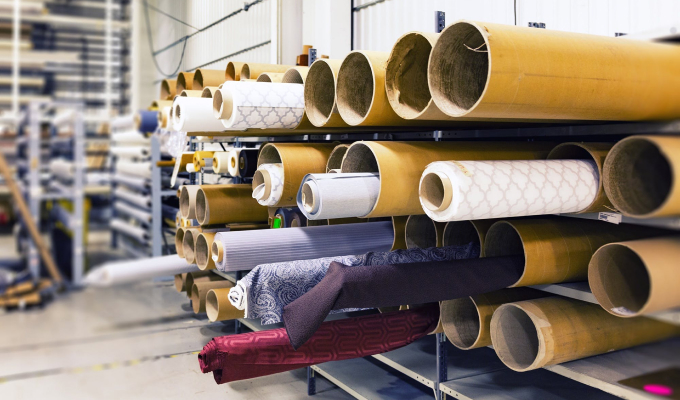
Textile production often includes many different processes running at the same time: raw material preparation, spinning, knitting, weaving, dyeing or finishing, fabric cutting, kitting, sewing, repair, quality inspection and packing. When these stages are managed on paper, in spreadsheets or through verbal handovers, it is difficult to see where an order is stuck and why the deadline is changing. Iwoscan collects actual events from workstations and helps manage production using real data.
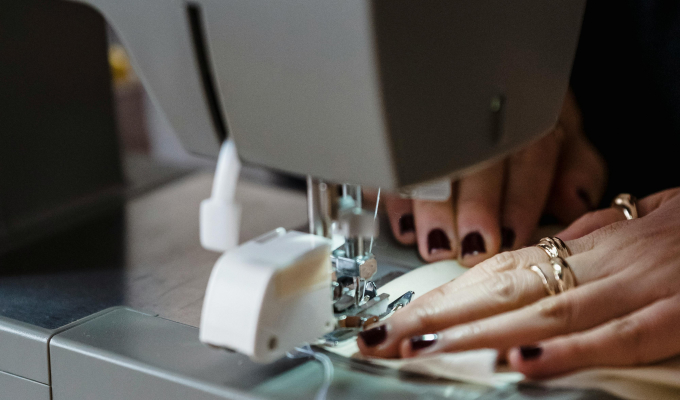
In a sewing factory or another textile production environment, an order often passes through many manual and semi-automated stages. One delay in cutting, kitting or quality inspection can stop the next shift. Iwoscan helps show not only the result, but also the reasons why an order is moving slower than planned.
The operator or workstation records operation start, finish, quantity, defects, repair or downtime reason. This gives managers a real process view instead of a general estimate.
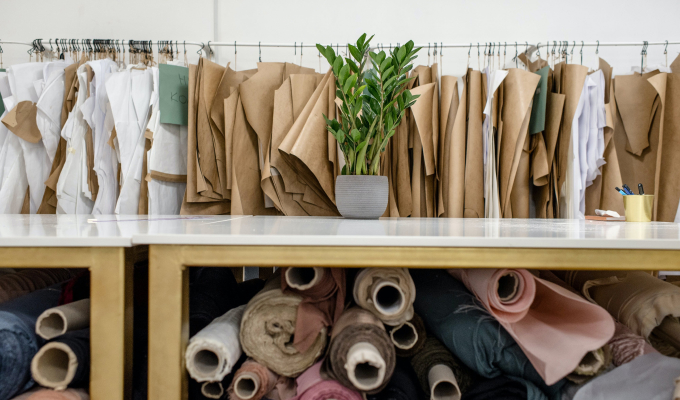
This is useful when an order is divided by size, colour, set, fabric batch or sewing operation. Later these tasks can be merged into a batch, product or final order.
When operation times, queues, downtime and defects are visible, it becomes easier to adjust the shift plan, reassign operators, correct cutting, or improve material preparation.
Briefly describe the process, equipment and data that is currently missing.
We will explain what can be recorded, which Iwoscan set is suitable and how the data can reach your systems.
No. The solution can be used in sewing, knitting, spinning, weaving, fabric cutting, kitting, quality inspection and packing processes. The exact setup depends on the production flow.
Tasks can be split by model, size, colour, fabric batch or operation. This makes the status of each part visible and later allows the work to be merged into the final order.
Yes. A workstation can record why work stopped or why a product returned for repair. These reasons are later visible in reports and help address repeated problems.
Yes, Iwoscan can be integrated with other management systems. The plan can come from ERP or MRP, while actual production events return from the workstations.
A practical first step is to monitor the stages with the most uncertainty: cutting, kitting, sewing operations, quality inspection or packing. After the first stage, monitoring can be expanded to other workstations.